Common Mistakes Pharmacies Make When Storing Controlled Substances
Storing controlled substances is one of the most critical compliance and safety responsibilities in a pharmacy. Across Canada, pharmacy inspections increasingly focus on whether narcotics and other controlled drugs are secured using appropriate pharmacy safes, supported by proper access controls and documentation. Despite clear regulatory expectations, many pharmacies continue to make preventable mistakes that expose them to theft, inspection failures, and staff safety risks.
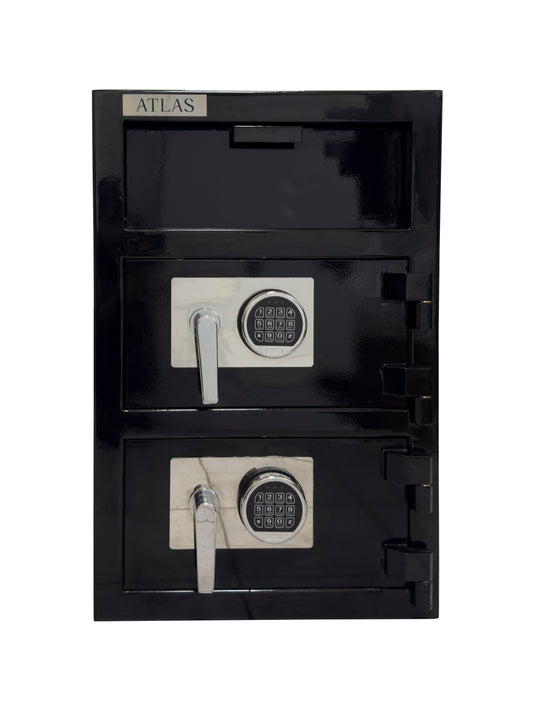
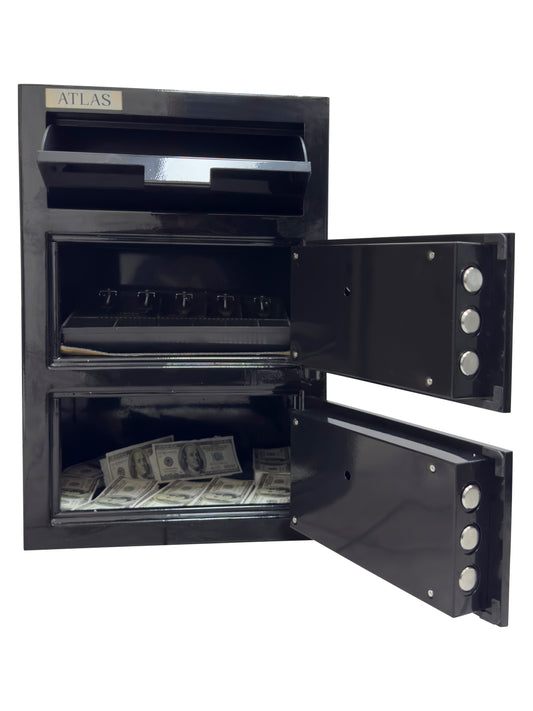
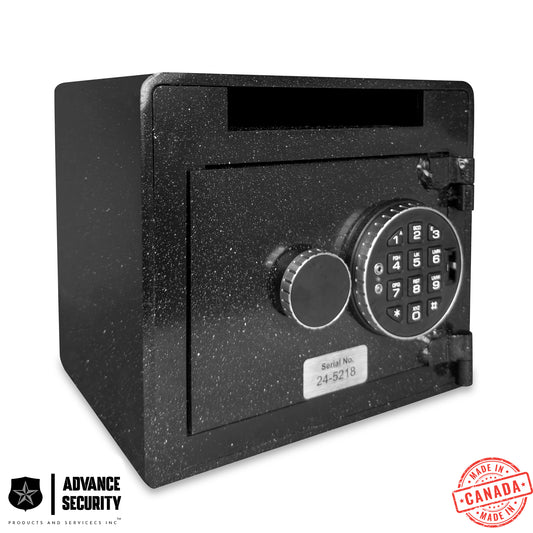
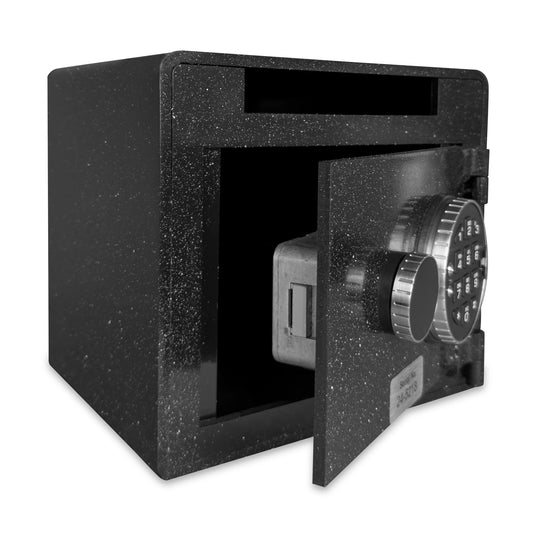
This article outlines the most common mistakes pharmacies make when storing controlled substances and explains how using the right narcotics safe and time delay safe technology can significantly reduce these risks.
1. Using a Standard Safe Instead of a Dedicated Narcotics Safe
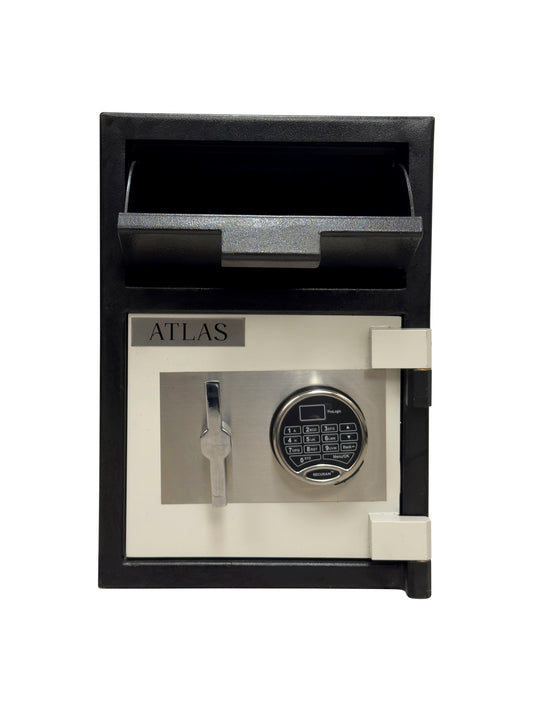
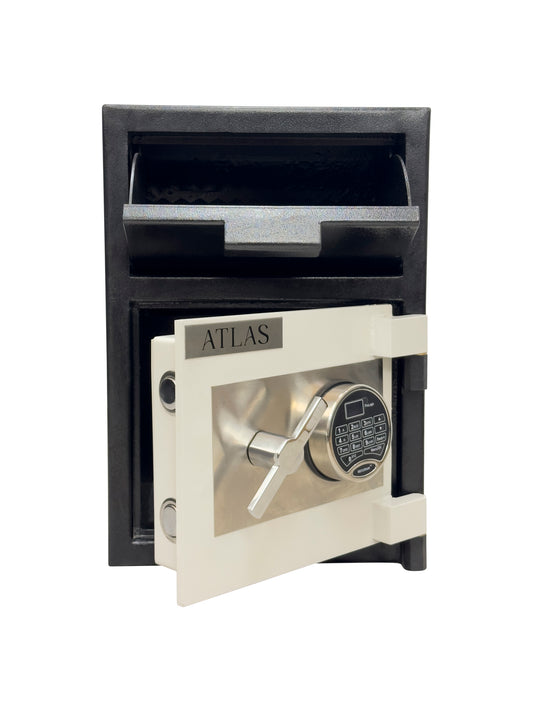
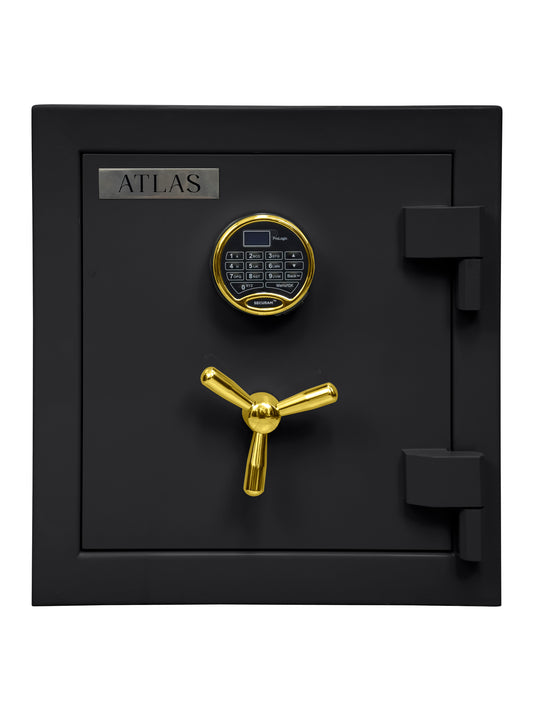
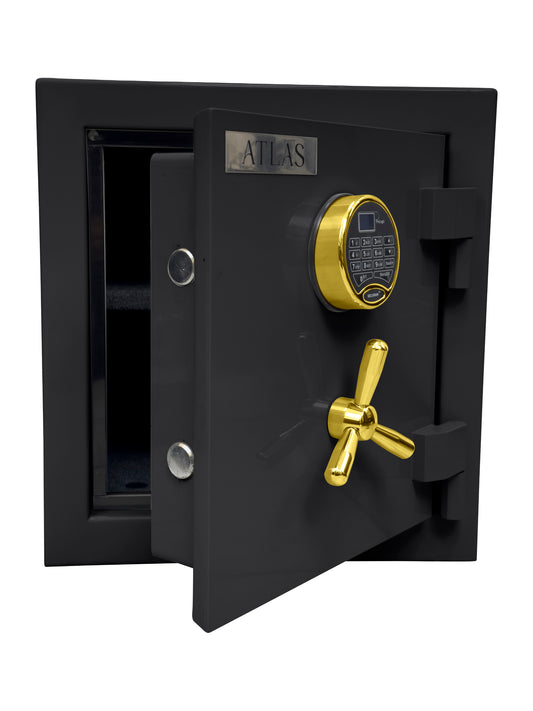
One of the most common mistakes is using a general-purpose safe or cabinet rather than a purpose-built narcotics safe. Standard safes may not offer the level of steel thickness, anchoring, or tamper resistance expected for controlled substances. During inspections, regulators typically assess whether the pharmacy safe is specifically designed for narcotics storage and capable of resisting forced entry. Inadequate safes can lead to inspection deficiencies or corrective actions.
Best practice: Install a pharmacy-grade narcotics safe designed specifically for controlled substances and regulatory compliance.

2. Not Using a Time Delay Safe for Narcotics Storage
Many pharmacies still rely on safes that open immediately once the code is entered. This creates a serious vulnerability during robbery attempts, as staff may be forced to open the safe under threat. A time delay safe introduces a mandatory delay between code entry and safe opening. This delay is proven to deter robberies, as criminals are unwilling to wait while remaining on-site. Time-delay technology also improves staff safety by removing the ability to access narcotics on demand.
Best practice: Use a time delay safe for all controlled-substance storage to reduce robbery risk and protect pharmacy staff.
3. Poor Placement of the Pharmacy Safe
Even the best narcotics safe can be compromised if it is installed in the wrong location. Placing a pharmacy safe in a visible area, near customer traffic, or in an unsecured back room increases exposure during theft attempts. Inspectors often expect narcotics safes to be located in restricted-access areas such as the dispensary, where access is controlled and monitored.
Best practice: Install the pharmacy safe in a low-visibility, restricted-access area of the dispensary.

4. Inadequate Access Control to the Narcotics Safe
Another common issue is allowing too many staff members unrestricted access to the narcotics safe. Shared codes, unmanaged key access, and lack of access logs increase the risk of diversion and internal theft. During audits, inspectors may review who has access to the pharmacy safe and how access permissions are managed.
Best practice: Limit access to the narcotics safe to authorized personnel only and regularly review access permissions.
5. Failing to Anchor the Pharmacy Safe Properly
An unanchored safe is a major security risk. Regardless of size or weight, a narcotics safe that is not properly anchored can be removed entirely during a break-in. Inspectors frequently verify whether the pharmacy safe is securely anchored to the floor or structure according to manufacturer specifications.
Best practice: Ensure every narcotics safe is professionally installed and securely anchored.

6. Poor Inventory Control and Record-Keeping
Physical security must be supported by strong documentation. Missing narcotics logs, delayed reconciliations, or inconsistent inventory records raise red flags during inspections. Even with a compliant time delay safe, weak record-keeping can still result in regulatory scrutiny.
Best practice: Maintain accurate narcotics logs, perform routine inventory checks, and investigate discrepancies immediately.
7. Treating Compliance as a One-Time Setup
Some pharmacies install a compliant pharmacy safe and assume the issue is permanently resolved. However, changes in regulations, robbery trends, or pharmacy operations can affect compliance over time. A narcotics safe that was appropriate years ago may no longer meet current risk or inspection expectations.
Best practice: Conduct periodic reviews of narcotics storage, safe technology, and access control procedures.
Why These Mistakes Matter
Improper storage of controlled substances can lead to:
- Inspection failures and corrective orders
- Increased risk of armed robbery
- Staff safety concerns
- Insurance complications
- Regulatory and reputational risk
Using a compliant narcotics safe with time delay safe technology is not just about meeting minimum requirements it is about reducing risk and protecting people.

Final Thoughts
Controlled-substance storage is an area where pharmacies cannot afford shortcuts. Many compliance issues stem from outdated safes, lack of time-delay protection, or improper installation. By investing in a purpose-built pharmacy safe, incorporating time delay safe technology, and maintaining disciplined access control and documentation, pharmacies can significantly reduce both regulatory and operational risk.
A proactive approach to narcotics security supports compliance, deters crime, and creates a safer environment for pharmacy staff and patients.